Sam Drukker uit Amsterdam / Barcelona

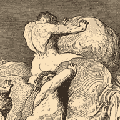
In het figuratieve werk van Sam Drukker staat de mens centraal. Hij tekent en schildert de mens, het leven. Niet verpakt maar in zijn ware gedaante. Hij concentreert zich daar zo op dat de rest van het doek vaak leeg blijft. Schoonheid en verval ondersteunen elkaar in zijn werk tot een zeer boeiende eenheid. Het doet soms theatraal en tegelijkertijd romantisch aan. In elke streep van het doek wil Sam Drukker het leven leggen: het ontluikende, of stilgevallen leven, het extatische of leeggelopen leven. Bij de doeken van Sam Drukker mag je genieten van wat je ziet. Qua thematiek herkennen we geregeld bijbelse motieven die volgens Sam Drukker vaak zeer intrigerend zijn vanwege de inherente dramatiek. In het werk van Sam Drukker is niet alleen de figuur van belang, ook de gestalte, de houding en kleurcombinaties. Hij schildert niet vanuit een vast omlijnd idee welke dan met grote zorgvuldigheid stap voor stap wordt uitgewerkt maar lijkt zeer spontaan datgene te schilderen wat hem aangrijpt in wat hij vermeende te signaleren. Als ondergrond schildert Sam Drukker op wat hij noemt “levend materiaal“: gebruikt hout, dekzeil of markiezen, met een geschiedenis en waar weer en wind hun sporen op hebben achtergelaten.
Bron: samdrukker.com/nl/cv.html
Bron: samdrukker.com/nl/cv.html
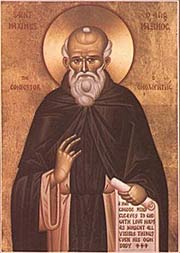 Maximos the Confessor wrote many theological works in defense of Orthodoxy. Especially valuable are his instructions on the spiritual and contemplative life, some of which are included in The Philokalia, a collection of patristic instructions on prayer and the ascetic life. In these ascetic instructions, the spiritual profundity and perceptiveness of St. Maximos’ thought is revealed. Also, an explanation of the Liturgy that has a great theological significance is included.