vedute di Roma [ 4 ]

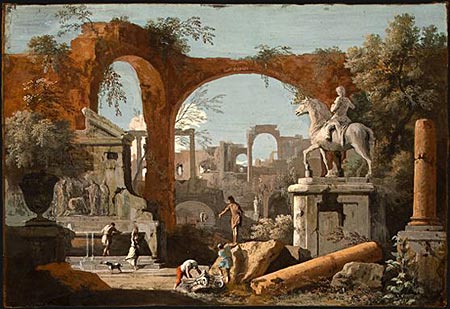
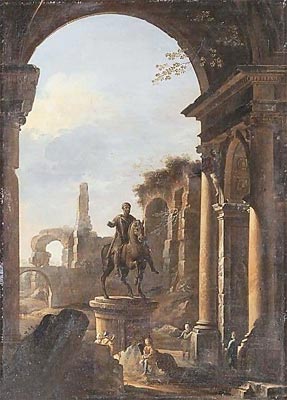
een capriccio van een navolger van Viviano Codazzi (1606-1670)
Codazzi
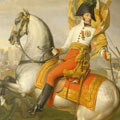
capriccio met beeld van Marcus Aurelius door een navolger van Viviano Codazzi
Viviano Codazzi was essentially a painter of architecture, and the figures are always by others. In Naples his principal collaborator for the figures was Gargiulo. After relocating to Rome following the revolt of Masaniello in 1647, he collaborated with painters from the circle of Dutch painters active in Rome, known as Bamboccianti, especially Michelangelo Cerquozzi and Jan Miel. (…) Most of his paintings are medium-sized paintings of architecture, either ruins, ideal architecture, or capricci.
 
Bron: en.wikipedia.org

het capriccio in de schilderkunst [ en.wikipedia.org ]

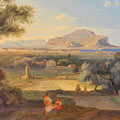
vedute di Roma [ 3 ]

een capriccio van Marco Ricci (1676-1730)
Marco Ricci 1725
Marco Ricci 1725
In painting, a capriccio means especially an architectural fantasy, placing together buildings, archaeological remains and other architectural elements in fictional and often fantastical combinations, perhaps with staffage of figures. It fits under the more general term of landscape painting. It may also be used of other types of work with an element of fantasy. This genre was perfected by Marco Ricci but its best-known proponent was the artist Giovanni Paolo Pannini. This style was extended in the 1740s by Canaletto in his etched vedute ideale, and works by Piranesi and his imitators.
 
Bron: en.wikipedia.org

Marco Ricci [ en.wikipedia.org ]

rococo revisited

18th century love en rococo revisited

Op tumblr.com staan verschillende pagina’s met selecties van schilderijen uit de achttiende eeuw. Daar vond ik onderstaand portret van een onbekende Engelse schilder uit de kring rond Joseph Highmore (1692-1780). Hij was een navolger van Godfrey Kneller (1646-1723). In de Engelse portretschilderkunst vormt Kneller een schakel tussen Sir Peter Lely (1618-1680) en de grote Engelse portretschilders uit de tweede helft van de achttiende eeuw: Gainsborough, Reynolds en Lawrence.

Joseph Highmore
twee meisjes met hinde (detail)
portret uit de kring rond Joseph Highmore, eerste helft van de achttiende eeuw
[ klik op afbeelding voor vergroting ]

Van de souplesse van deze meesters is in bovenstaand schilderij niets te vinden. Het past in de traditie van de houterige koloniale portretschilderkunst uit de eerste helft van de achttiende eeuw al is de stofuitdrukking weer van een hoger niveau dan we van de Engelse schilders in de kolonies gewend zijn.

Daughters of Crisp Molineaux, Elizabeth, afterwards Lady Barnaby, portrait of two girls, three-quarter length, each standing, one in ivory, the other in pink satin dress, holding a floral garland, a doe behind, draped landscape background.

rococo revisited | 18thcenturylove