Categorie archief: geschiedenis

summer of love [ 2 ]

40 jaar geleden was San Francisco het hippiecentrum van de wereld
en de Haight-Ashbury (Hashbury) was ground zero
Haight-Asbury
San Francisco and the Haight gained a reputation as the center of illegal drug culture and rock and roll lifestyles soon after, especially with the use of marijuana and LSD and other hallucinogenic drugs. By 1967, the neighborhood’s fame chiefly rested on the fact that it became the haven for a number of important psychedelic rock performers and groups of the mid-1960s. Acts like Jefferson Airplane, the Grateful Dead and Janis Joplin all lived a short distance from the famous intersection. They not only immortalized the scene in song, but also knew many within the community as friends and family.
 
The fabric of the neighborhood was forever altered in 1967 during the Summer of Love, much to the dismay of many residents. Psychedelic rock music was entering the mainstream, and received more and more commercial radio airplay. The song “San Francisco”
Be Sure to Wear Flowers
in Your Hair

became a hit single. The Monterey Pop Festival in June further cemented the status of psychedelic music as a part of mainstream culture and elevated local Haight bands such as Big Brother and the Holding Company and Jefferson Airplane to national stardom. A July 7th Time Magazine cover story on “The Hippies: Philosophy of a Subculture”, an August CBS News television report on “The Hippie Temptation”[1] and other major media interest in the hippie subculture exposed the Haight-Ashbury district to enormous national attention and popularized the movement across the country and around the world. Thousands of disaffected youth migrated to the Haight-Ashbury district, including many runaway teenagers, irrevocably altering the social structure of the neighborhood. The Diggers, a local “community anarchist” group famous for its street theatre and for providing free food to residents every day, held a “Death of the Hippie” parade as the new residents poured in.
 
Bron: en.wikipedia.org
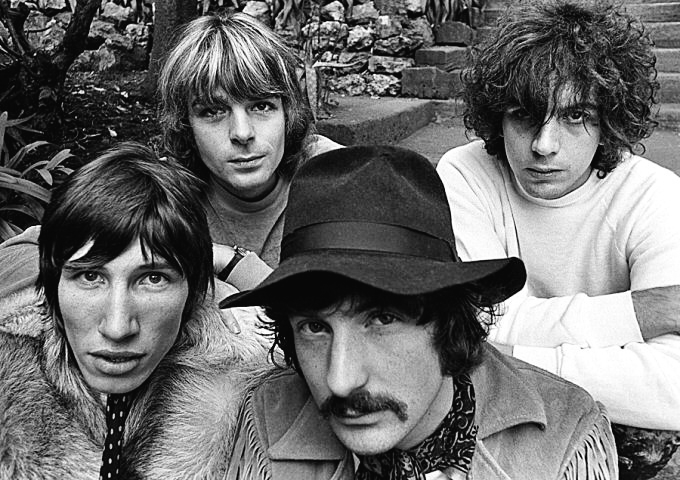
Pink Floyd 1967
een piepjonge Pink Floyd in 1967
een van de eerste psychedelische bands
met linksboven Syd Barrett
( foto: wolfgangsvault )

De San Francisco Chronicle publiceerde afgelopen maand een serie van vier delen:
The Summer of Love, 40 Years Later
summer of love [ 1 ]

Summer of Love: Art of the Psychedelic Era
in Whitney Museum New York tot 16 september 2007
Summer 2007 revisits the unprecedented explosion of contemporary art and popular culture brought about by the civil unrest and pervasive social change of the 1960s and early ’70s, when a new psychedelic aesthetic emerged in art, music, film, architecture, graphic design, and fashion. The exhibition includes paintings, photographs and sculptures by Isaac Abrams, Richard Avedon, Lynda Benglis, Richard Hamilton, Elliott Landy, Jimi Hendrix (his only known watercolor), Robert Indiana, Yayoi Kusama, Richard Lindner, and John McCracken, among others, as well as a rich selection of important posters, album covers and underground magazines. A special emphasis is placed on environments as well as on film, video and multimedia installations, including works by Jordan Belson, USCO, Stan VanDerBeek, James Whitney, and Lamonte Young and Marian Zazeela. The exhibition includes films of performances and light shows, and spotlights places such as the UFO nightclub in London and the Human Be-In in San Francisco, featuring Allen Ginsberg and Timothy Leary. Organized by Tate Liverpool and originally presented there, the show has toured to the Kunsthalle Schirn Frankfurt and the Kunsthalle Wien.
 
Bron: whitney.org
San Francisco van Scott McKenzie
de blijheid en verliefdheid straalt na
40 jaar nog steeds van dit ultieme
hippie promofilmpje af …
Something’s happening
Jammer dat het vorige filmpje niet meer beschikbaar is. Deze video is ook leuk.
Summer of Love
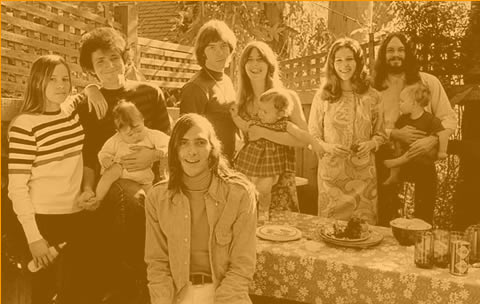
… en bij deze lieve foto uit de
San Francisco Chronicle hoor ik op de achtergrond de mierenzoete liedjes
Teach your children en Our House van CSN&Y

De San Francisco Chronicle publiceerde afgelopen maand een serie van vier delen:
The Summer of Love, 40 Years Later

it was plenty years ago today

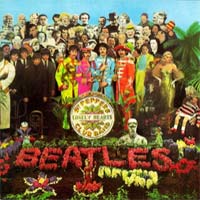
vandaag is het 40 jaar geleden dat het legendarische Beatlesalbum
Sergeant Pepper’s Lonely Hearts Club Band verscheen

Ik heb me er inmiddels mee verzoend dat ik aan ongeneeslijke nostalgie lijd. Het is een logische gevolg van heftig verlangen naar de eeuwige jeugd en hopeloos verzet tegen de vergankelijkheid. De zoete pijn van de nostalgie begon al vroeg in mij te werken, zeker al voor mijn 25ste. Het verleden heb ik altijd overzichtelijk bij me – ik weet mij bijvoorbeeld nog te herinneren wat ik vandaag 20 jaar geleden deed – alsof ik de route terug naar huis wil onthouden. Hoe ben ik hier gekomen, hoe ben ik geworden wie ik ben, kortom: wie ben ik? Het antwoord ligt altijd in het levende verleden. Wie ooit getript heeft weet dat er een staat van bewustzijn is, waarin het geheim van de tijdelijkheid zich openbaart als de nog veel geheimzinnigere eeuwigheid. Naar dit mystieke moment ben ik altijd op zoek geweest. Het is niet zo vreemd dat het historische brandpunt van dit mystieke moment voor mij kwam te liggen in het jaar 1967. Het jaar waarin ik vier werd, de ‘mystieke leeftijd’ zoals sommige ontwikkelingspsychologen beweren en natuurlijk het jaar van de Summer of Love. Toen ik begin twintig was, was ik bijna ziek van heimwee naar 1967.

Sergeant Peppers coverVandaag is het twintig jaar geleden dat de documentaire “It was twenty years ago today” van John Sheppard werd uitgezonden, over het album Sergeant Pepper’s Lonely Hearts Club Band. De video van deze documentaire en de plaat draaide ik in die dagen grijs. Een beetje spijt heb ik daar inmiddels wel van, want een nummer als a day in the life heb ik waarschijnlijk vaker gehoord dan de vier Beatles bij elkaar en is door mijn eigen schuld nu afgezaagd.

De documentaire gaat niet alleen over de Beatles. Eigenlijk is het een ode aan het jaar 1967. Je ziet de bekende beelden van het Monterey festival (elke keer als ik Janin Joplin in het slotaccoord van a ball and a chain zie ‘breken’, springen de tranen in mijn ogen.) en de hippiesubcultuur van de Haight Ashbury in San Francisco. Maar eigenlijk veel interessanter is dat deze film laat zien hoe het twintig jaar later ging met de hoofdrolspelers van toen: De provo Robert Jasper Grootveld dobberde in 1987 op het vlot ‘de yuppie’ ergens rond op het IJsselmeer, Abbie Hoffman was nog altijd politiek activist en acteur Peter Coyote had zich in 1987 even teruggetrokken in de overweldigende natuur van de Rocky Mountains. Derek Taylor, de voormalige persagent van de Beatles vond dat 1967 een jaar met een gouden randje was. “Een van mijn kinderen is van 1967 en dat merk je”, zei hij met een beschamend lachje. Als ik aan Michaela denk, die in de Summer of Love geboren werd, dan geef ik hem onmiddellijk gelijk.

Pink Floyd 1967Mijn persoonlijk flowerpower revival van twintig jaar geleden is inmiddels weer lang voorbij. Maar heel af en toe steek ik nog wel eens een jointje op en komt er toepasselijke plaat uit de kast. Vorig jaar kreeg ik van Kees deze zeldzame eerste persing van Pink Floyd uit 1967. Met Syd Barrett dus. Ook deze cover is eindeloos nagevolgd en ik blijf een zwak houden voor idealisten in een kashimiroverhemd met een dromerige blik en/of caleidoscopische visie.

It was twenty years ago today by Derek Taylor It Was Twenty Years Ago Today is a winning, evocative film crammed with the music of the good times, laced with interviews with Harrison, McCartney, Timothy Leary (looking toothless), Derek Taylor (the former Beatles press agent) who wrote the paperback based on the film. There’s not much sense that the Black Panthers had just been launched or that Che Guevara would soon die (someone prophesying there would one day be a shop called Che Guevara), or any mention that four days after Sergeant Pepper was released on June 1, 1967, the Six Day War began. But then I’ve always thought the American Sixties were about styles of politics, the British Sixties about styles of style.
 
 
The old clips are terrific: the Fab Four, Jimi and Janis and Ravi Shankar at Monterey Pop, badges and posters, loveburgers in the Haight, dope and acid and the Levitation Of The Pentagon shot by Dick Fontaine, who was sitting in the front row of the audience wearing Indiana Jones’s hat. (‘For five minutes in the Sixties,’ said another of my informants, ‘he was the most famous man in England. ‘) Abbie Hoffman, a deliciously wry Jewish grandpa of the old New Left, notes in the film that the two most important moments in his life (family apart) were: where he was when he first heard John Kennedy had been assassinated and where he was when he first heard Sergeant Pepper. ‘There is no marijuana here!’ fretted Robert Jasper Grootveld after the show. The old Dutch Provo who in the film chats from his raft, The Yuppie, watched us boozing and grew angry. ‘No marijuana. You are all hypocrites. ‘ In the best spirit of the hospitable Sixties, several true believers fussed over Grootveld, distraught so honoured a guest should be without his favourite smoke.Adrian Mitchell, the poet, beamed diffidently when his daughters, both in their twenties, came by to tell him how handsome he was in the film. Chet Helms, an ‘Underground Impressario’ then, was in from San Francisco where, now, his card says, he is ‘Chester Helms of Atelier Dore (Important American and European Art).’
 
Bron: guardian.co.uk
It was twenty years ago today (1987)
van John Sheppard