Hans Achterhuis (1942) is de eerste Denker des Vaderlands
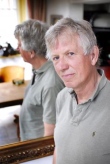 Ik vind het wel belangrijk om als filosoof buiten een discussie te kunnen stappen. Standpunten lijken vaak maar twee kanten te hebben: voor en tegen. Vervolgens worden de posities geframed, en hebben de voor- en tegenstanders zich ingegraven. Ik wil als Denker des Vaderlands in publieke debatten verschillende posities duidelijk maken, en vervolgens onzeker maken wat schijnzeker leek. Die zekerheid tref ik ook in mijn eigen milieu aan. Bij lezingen, die altijd door een bepaald publiek bezocht worden, krijg ik nu al een jaar of drie de vraag: wat vindt u van Wilders? Ik proef bij de aanwezigen op zo’n moment een moreel onbehagen, waarop ik heel makkelijk kan inspelen. Doe ik dat, dan knikt iedereen en zijn we het fijn eens. Dat lijkt me geen taak voor de Denker des Vaderlands.
Bron: Hans Achterhuis op 1 april j.l. in Trouw
Ik proef bij de aanwezigen op zo„n moment een moreel onbehagen, waarop ik heel makkelijk kan inspelen. Doe ik dat, dan knikt iedereen en zijn we het fijn eens.
Hans Achterhuis
 De filosofie heeft de wijsheid lief. Maar wat is wijsheid? De filosoof zoekt voortdurend zijn geliefde. Traditioneel zag hij haar nabij komen in het Ware, het Goede en het Schone. In onze postmoderne tijd is de Waarheid doodverklaard. Leve de “eigen waarheid”! Maar hoe betrouwbaar, hoe écht is die “eigen waarheid”? Sinds we de Waarheid hebben afgeschaft, is de vraag naar authenticiteit belangrijk geworden. Maar hoeveel houvast biedt authenticiteit? En nog belangrijker: bestáát authenticiteit eigenlijk wel? Gisteren viel bij ons de Filosofiekrant op de mat over de
 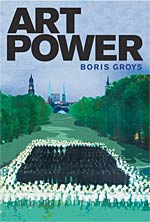 Art has its own power in the world, and is as much a force in the power play of global politics today as it once was in the arena of cold war politics. Art, argues distinguished theoretician Boris Groys, is hardly a powerless commodity subject to the art market’s fiats of inclusion and exclusion. In Art Power, Groys examines modern and contemporary art according to its ideological function. Art, Groys writes, is produced and brought before the public in two ways a commodity and as a tool of political propaganda. In the contemporary art scene, very little attention is paid to the latter function; the official and unofficial art of the former Soviet Union and other former Socialist states, for example, is largely excluded from the field of institutionally recognized art, usually on moral grounds (although, Groys points out, criticism of the morality of the market never leads to calls for a similar exclusion of art produced under market conditions).