paus Benedictus XVI in Istanbul (Konstantinopel)


“Wij kijken naar het bezoek van de Paus uit met broederlijke liefde en grote verwachting“, zei de Oecumenische Patriarch Bartholomeos. “Het zal zeer belangrijk zijn voor ons land en voor de relaties tussen orthodoxen – katholieken“.
Bron: orthodoxia.be
Zijne Alheiligheid Bartholomeos is de Aartsbisschop van Konstantinopel, het Nieuwe Rome en de Oecumenische Patriarch. Hij is de 270ste opvolger van de Heilige Apostel Andreas, die tweeduizend jaar geleden de lokale christelijke Kerk van Byzantium heeft gesticht. De Oecumenische Patriarch is een levende getuige voor de wereld van de pijnlijke en verlossende strijd voor religieuze vrijheid en de natuurlijke waardigheid van de mensheid. Als burger van Turkije, geeft zijn persoonlijke ervaring hem een uniek perspectief op de voortdurende dialoog tussen de christelijke, islamitische en joodse gemeenschappen. Voor zijn inspirerende inspanningen voor religieuze vrijheid en mensenrechten, wordt Oecumenisch Patriarch Bartholomeos gezien als een bruggenbouwer en vredestichter en ontving hiervoor de Gouden Medaille van het Congres der Verenigde Staten in 1997.
Bron: orthodoxia.be

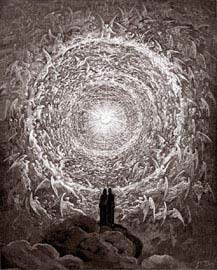

 Of the nature of the soul, though her true form be ever a theme of large and more than mortal discourse, let me speak briefly, and in a figure. And let the figure be composite-‚¬â€a pair of winged horses and a charioteer. Now the winged horses and the charioteers of the gods are all of them noble and of noble descent, but those of other races are mixed; the human charioteer drives his in a pair; and one of them is noble and of noble breed, and the other is ignoble and of ignoble breed; and the driving of them of necessity gives a great deal of trouble to him. I will endeavour to explain to you in what way the mortal differs from the immortal creature. The soul in her totality has the care of inanimate being everywhere, and traverses the whole heaven in divers forms appearing-‚¬â€when perfect and fully winged she soars upward, and orders the whole world; whereas the imperfect soul, losing her wings and drooping in her flight at last settles on the solid ground-‚¬â€there, finding a home, she receives an earthly frame which appears to be self-moved, but is really moved by her power; and this composition of soul and body is called a living and mortal creature. For immortal no such union can be reasonably believed to be; although fancy, not having seen nor surely known the nature of God, may imagine an immortal creature having both a body and also a soul which are united throughout all time. Let that, however, be as God wills, and be spoken of acceptably to him. And now let us ask the reason why the soul loses her wings!