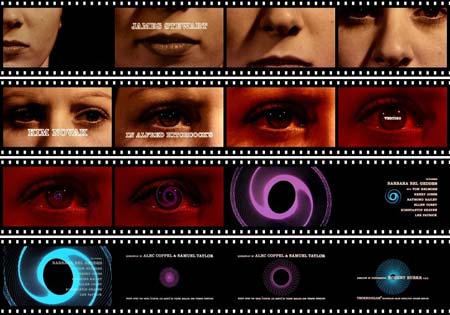
Vertigo is een fascinerende film. Aan de oppervlakte is het een romantisch verhaal, want Vertigo is in de eerste plaats een love story. Maar onder de oppervlakte is de thematiek existentialistisch omdat in Vertigo het diepste verlangen en de diepste angst bij elkaar komen. Een van de hoogtepunten uit de film vind ik de monoloog van Madeleine Elster (gespeeld door Kim Novak) die ‘bezeten wordt’ door de geest van de overleden Carlotta Valdes:
“Ik weet zo weinig… Het lijkt alsof ik door een lange gang loop waar ooit een spiegel was… en delen van die spiegel hangen er nog… en als ik aan het einde van die gang kom, is er niets dan duisternis… en ik weet dat als ik die duisternis inloop, ik zal sterven…”
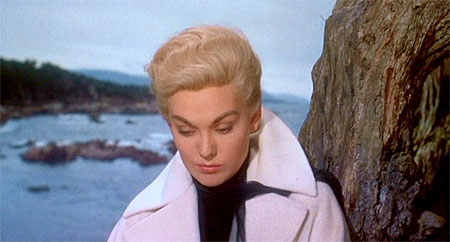
It’s as though I were walking down a long corridor… that once was mirrored, and fragments of that mirror still hang there… and when I come to the end of the corridor… there’s nothing but darkness. And I know that when I walk into the darkness…
…that I’ll die
Madeleine Elster / Carlotta Valdes
Het is een beschrijving van de existentiële leegte en wanhoop die zo bij de twintigste eeuw zijn gaan horen. Onder de romantiek ligt een zwart gat, een duizelingwekkend verdwijnpunt. Tijdens de historische Romantiek aan het begin van de negentiende eeuw was dat zwarte gat al blootgelegd. De zwarte Romantiek was een prelude op het existentialisme van de twintigste eeuw. Historisch in het midden staat Richard Wagner. Het is daarom niet toevallig dat we in Vertigo de echo van Liebestod uit Tristan und Isolde horen.
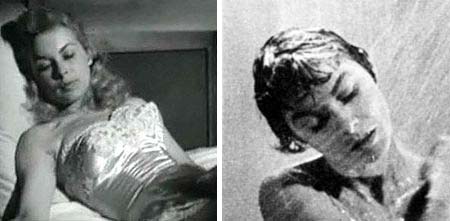
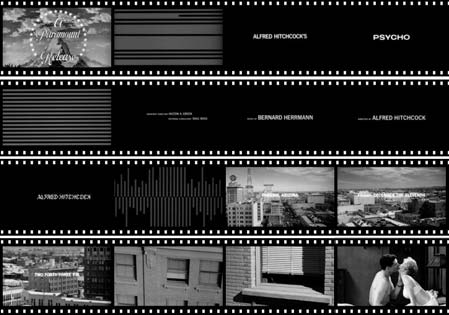
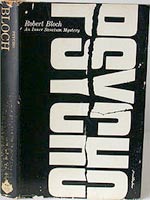 The Southwestern locales of the two films are another similarity, particularly the isolated, deserted motel settings. Dingy motels were, of course, common settings in the film noirs that were the main inspiration for the films’ look. But the motels create an especially powerful atmosphere of dread and alienation in these two films, perhaps because they seem to exist in a dreamscape, disconnected from the rest of the “normal” world. The use of the sordid motel as an instrument of psychological torture and an emblem of decay in Touch of Evil may have inspired Robert Bloch, who wrote the novel that Psycho is based on, to use a motel to capture an American environment suitable as a breeding ground for psychosis and random violence. His novel, based on the notorious 1957 case of Ed Gein, a reclusive Wisconsin farmer and mass murderer, was published in 1959, a year after Touch of Evil was released.
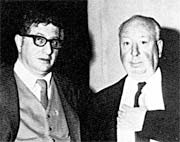 De scores van Vertigo (1958) en Psycho (1960) laten het genie van de filmcomponist Bernard Herrmann horen. Een halve eeuw later klinkt zijn filmmuziek ons vertrouwd in de oren omdat ze sindsdien vaak geïmiteerd is, vooral in thrillers. Maar Herrmann was toch echt de eerste. Dat zijn scores precies het hart van de emotie raken, komt zeker ook door zijn vruchtbare samenwerking met Alfred Hitchcock. De master of suspense wist hoe hij moest doordringen tot de kern en Herrmann voelde muzikaal precies aan waar Hitchcock naartoe wilde. Aan hun samenwerking kwam in 1966 abrupt een einde nadat Hitchcock zijn score voor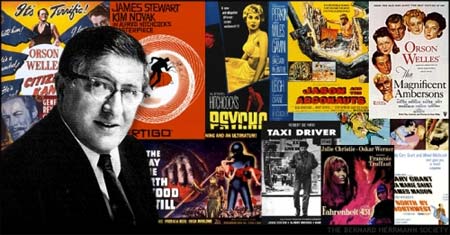
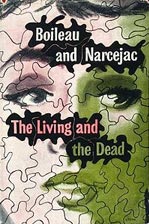 In 1958 Alfred Hitchcock created his masterpiece, Vertigo. Based upon the novel d’ Entre les Morts (The Living and the Dead) by Pierre Boileau and Thomas Narcejac Vertigo was, itself, a modern variation of the Tristan myth upon which Richard Wagner based his opera, Tristan and Isolde. A story of love, obsession and enduring passion for a woman obscuring the fragile boundaries separating life and death, Vertigo became the perfect culmination not only of Alfred Hitchcock‘s filmic fears and vulnerability, but of Bernard Herrmann‘s, as well.