terug van vakantie
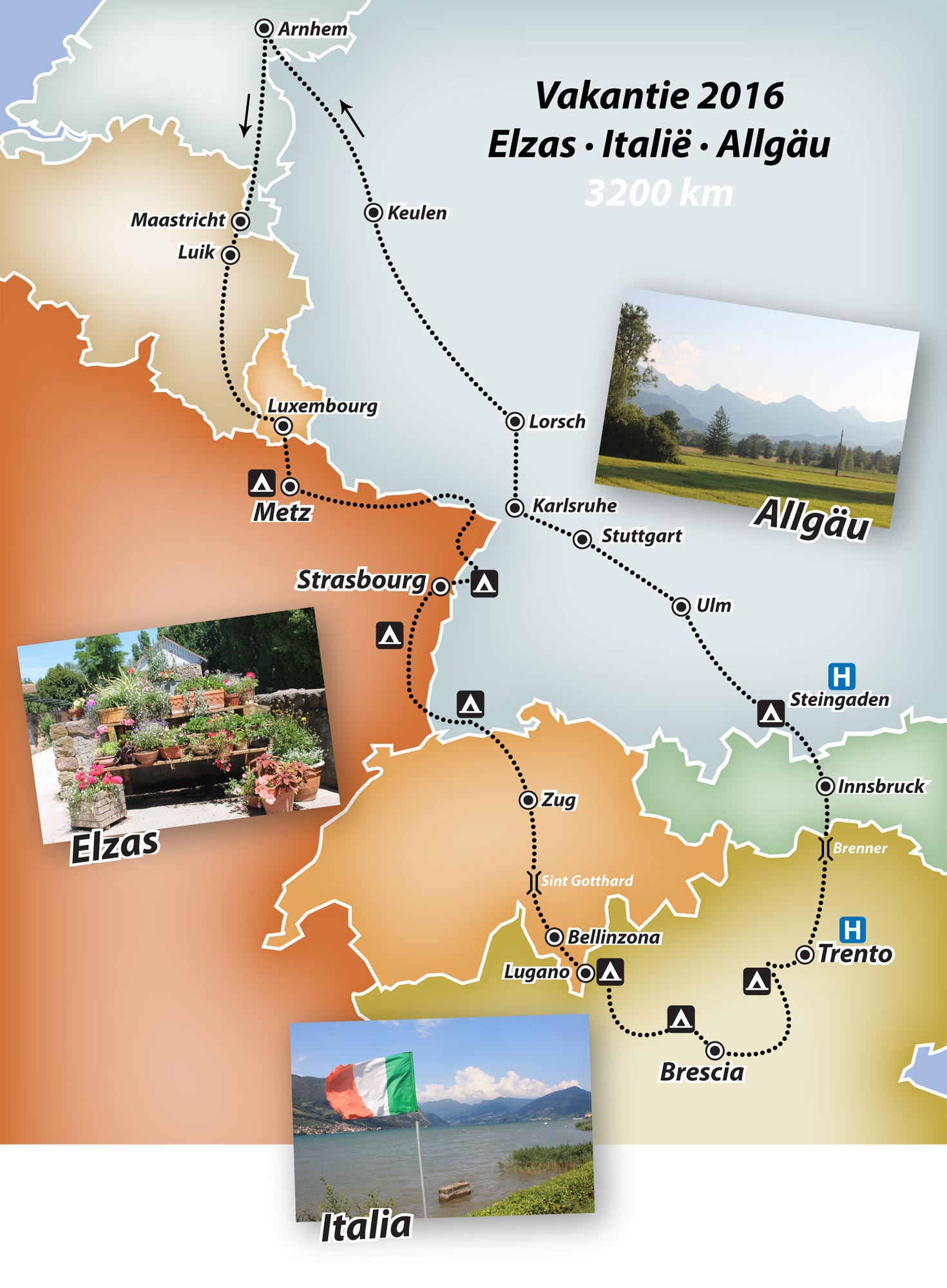
klik voor een vergroting
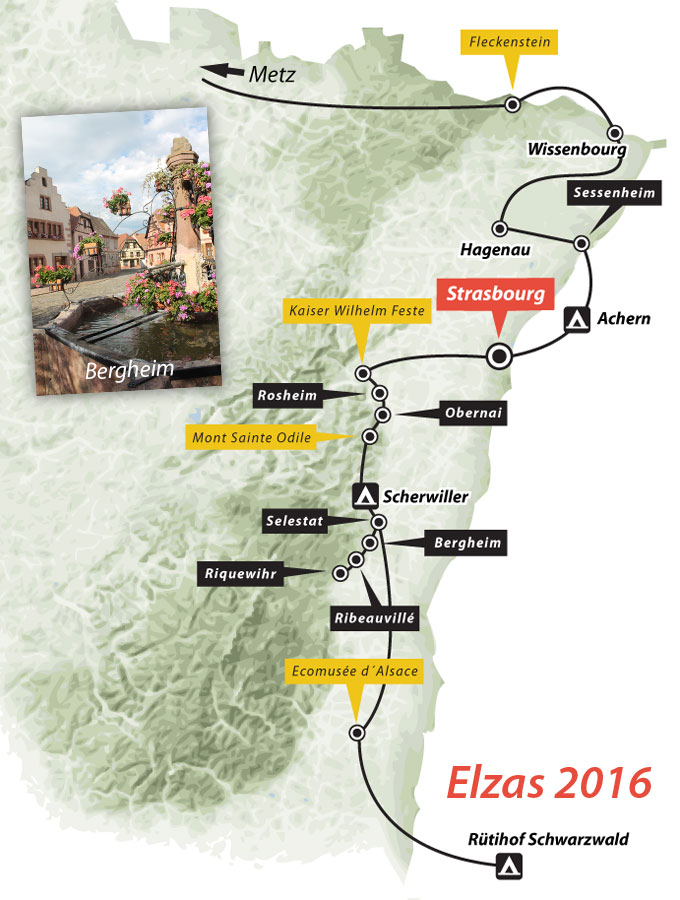
klik voor een vergroting
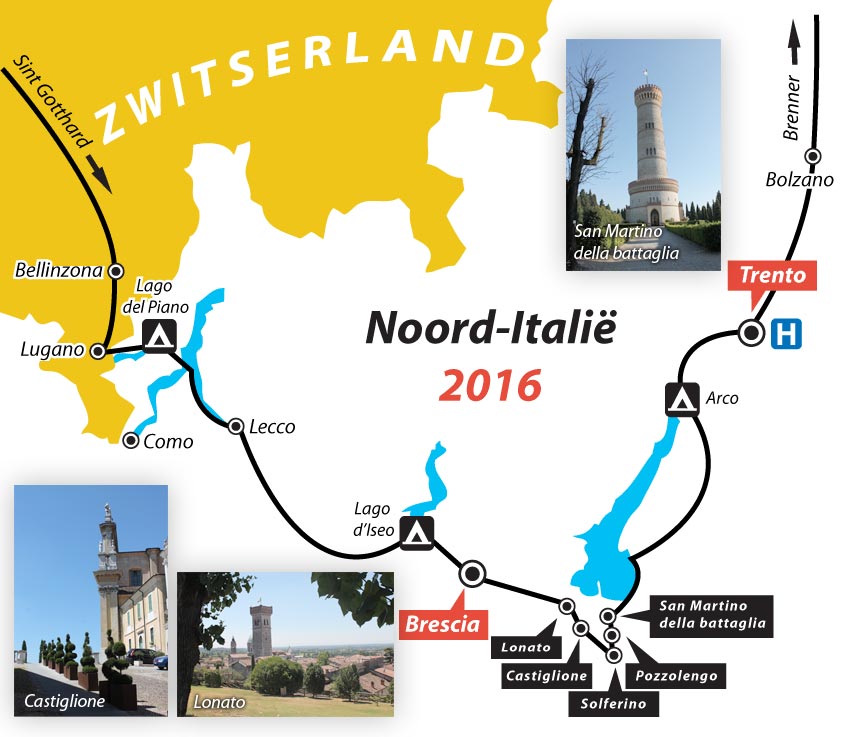
klik voor een vergroting
 Dit Franse kostuumdrama uit 2012 is een beetje de Franse variant van Der Untergang. Versailles, 14 juli 1989. Het gepeupel heeft de Bastille bestormd en de eerste berichten van onthoofdingen bereiken het hof. In de gangen van het immense Versailles wordt nerveus heen en weer gelopen. De spanning slaat een paar dagen later om in paniek. Net als in Der Untergang wordt alles geregistreerd door de ogen van een jonge vrouw. Agathe-Sidonie Laborde (een mooie rol van Léa Seydoux) is de voorleesdame van Marie-Antoinette. Ze houdt van haar koningin en is als geboren hoveling volledig devoot. Als ze op bevel van de koningin naar Zwitserland moet vluchten samen met de hertogin van Polignac kan ze niet anders dan gehoorzamen.
Les adieux á la reine is de verfilming van de gelijknamige roman van Chantal Thomas. Anders dan het script van Der Untergang, dat helemaal gebaseerd is op de ooggetuigenverslagen van Joachim Fest, is Les adieux á la reine fictie. In tegenstelling tot Traudl Junge, de ik-figuur in Der Untergang, heeft Agathe-Sidonie Laborde nooit bestaan. De liefde tussen Marie-Antoinette en de hertogin van Polignac is echter geen fictie. Maar in de pornografische libelles werd er zo wild rond de relatie tussen deze twee vrouwen gespeculeerd, dat we werkelijkheid en fictie nooit meer van elkaar zullen kunnen scheiden.
 In de voetsporen van Heidegger
 Voetnoten bij de 19e eeuw
 Amerikaanse Burgeroorlog
 Napoleon en zijn schilders
 Landschapsschilders uit de Goethezeit
 Schilders in Italië
 De schilder en zijn broodheer
 De waakzaamheid van het hart
 Ovidius’ Metamorphosen
 Dantes Divina Commedia
 Wolkenkrabbers
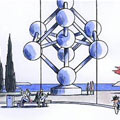 Op zoek naar de atoomstijl
 Een avontuur van luitenant Blueberry
 My favourite things