zondagmiddag gezien: Sneeuwwitje (1937) van Walt Disney
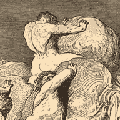
de illustraties van Arthur Rackham (1867-1939)
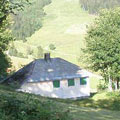
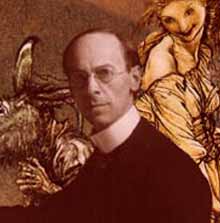 Sneeuwwitje was de eerste grote tekenfilm van Walt Disney en werd met kerst 1937 in de Verenigde Staten uitgebracht na een productietijd van vier jaar. De film vestigde in één klap de celanimatie als zelfstandige kunstvorm. Om zich in te dekken tegen het enorme risico dat hij met deze onderneming liep, koos Disney voor een sprookje waar iedereen vertrouwd mee was en zocht hij aansluiting bij de illustraties van Arthur Rackham (1867-1938) , de Engelse meesterillustrator die de meeste mensen in de jaren dertig kende van zijn illustraties bij de sprookjes van Grimm. Vervolgens huurde hij kunstenaars in als Albert Hurter, Ferdinand Horvath en Gustaf Tenggren die Rackham’s stijl vertaalden naar de tekenfilm. Disney’s figuren werden opgebouwd uit cirkels die effectief te animeren zijn. Met egale dekverf werden alle bewegende elementen op transparante cellen geschilderd. Achtergronden werden steeds in aquarelverf uitgevoerd in de door Disney zo bewonderde stijl van Rackham. Gustaf Tenggren paste Rackham’s stijl enigszins aan omdat deze vaak erg gedetailleerd is voor de achtergrond en daardoor afleidt van de figuren.
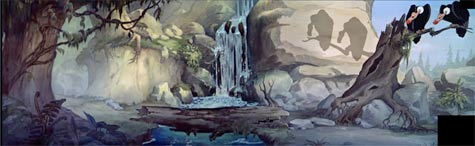
achtergrond uit
Sneeuwwitje (1937)
© disney enterprises, inc
image sourceIn de zogenaamde Golden Age maakte Walt Disney na Sneeuwwitje (1937) nog de tekenfilms Assepoester (1950) en de Schone Slaapster (1959). Het succes van Sneeuwwitje, in 1937 een mirakel in Technicolor , zou niet meer geëvenaard worden. Sneeuwwitje stond in 1998 op een 49e plaats in de AFI’s 100 Years de lijst met honderd beste Amerikaanse films van de twintigste eeuw.
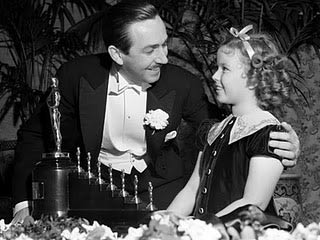
Shirley Temple overhandigt
Walt Disney in 1939 een
Honorary Academy Award voor Sneeuwwitje
image credits
Op het web vond ik nog een serie artikelen getiteld The Art Behind the Disney Princesses waarin Disney‘s inspiratiebronnen voor zijn tekenfilmprinsessen worden onthuld. Voor Snow White, Cinderella en Aurora (The Sleeping Beauty) liet Disney zich inspireren door de illustratoren Arthur Rackham (1867-1939), C.E. Brock (1870-1938), Mary Blair (1911-1978) en Eyvind Earle (1916-2000).
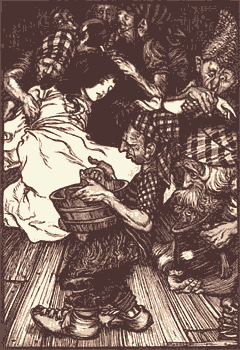
Sneeuwwitje en de zeven dwergen
volgens Arthur Rackham
The primary authority on the design of the film was concept artist
Albert Hurter. All designs used in the film, from character’s appearances to the look of the rocks in the background, had to meet Hurter’s approval before being finalised. Two other concept artists contributed to the visual style of
Snow White and the Seven Dwarfs: Ferdinand Hovarth (whose designs were often thought not to be as easily translated into animation as Hurter’s, but who produced a number of dark concepts for the film) and
Gustaf Tenggren, whose style borrowed from the likes of
Arthur Rackham and
John Bauer, and thus possessed the European illustration quality that
Walt Disney was interested in.
Tenggren was used primarily as a color stylist and to determine the staging and atmosphere of many of the scenes in the film. He also designed the poster for the film and illustrated the press book. However, only
Hurter receives a credit for the film, as a character designer. Other artists to work on the film included
Joe Grant, whose most significant contribution was the design for the Queen’s Witch form.
Bron:
en.wikipedia.orgsnow white and the seven dwarfs [ surlalunefairytales.com ] | official site
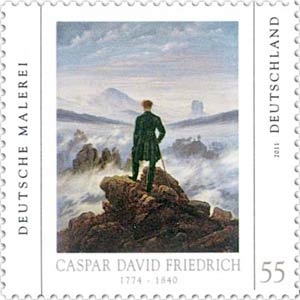
Eine 10. Jahrgangsstufe zerlegte Caspar David Friedrichs Wanderer über dem Nebelmeer in seine Raumschichten. Die Schüler wurden dazu in Gruppen auf jeweils eine Schicht angesetzt. Dadurch hielt sich der zeitliche Aufwand so in Grenzen, dass die Arbeit auch im einstündigen Unterricht zügig voran ging. Das isolierte Material wurde dann allen Schülern zum Zweck der Manipulation zur Verfügung gestellt. Es entstanden unterschiedlichste Versionen, die mit dem Original konfrontiert und in Bezug auf ihre jeweilige Wirkung verglichen werden konnten. Die verschiedenen Raumschichten lassen sich auf diese Weise inhaltlich isolieren, gleichsam als Sinnschichten:
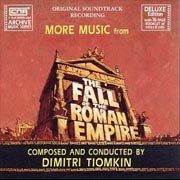 Dimitri Tiomkin‘s score, which is one of the notable features of the film, is more than 150 minutes in length. It is orchestrated for a large orchestra, including an important part for cathedral organ. (…) The score was recorded by the Sinfonia of London (uncredited) at Shepperton Studios. The music editor was George Korngold, son of