Maandelijks archief: juni 2007

in één klap

vandaag 90 jaar geleden: de mijnenslag bij Mesen, 7 juni 1917
de grootste conventionele explosie in de geschiedenis
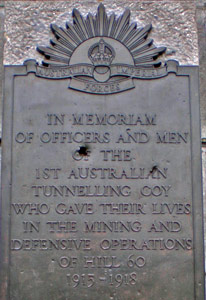
monument Hill 60Drie weken geleden bezocht ik Hill 60 iets ten zuiden van Ieper en nam hier deze foto die een bijzonder verhaal vertelt. Hill 60 is een lokatie 60 meter boven zeeniveau op de heuvelrug Mesen-Wijtschate en je hebt er een prachtig uitzicht op de skyline van Ieper. Tijdens de Eerste Wereldoorlog is er bitter gevochten om deze strategisch gelegen plek. In 1917 hadden zgn. tunnellers van de 1st Australian Tunnelling Company de heuvel op twee plaatsen met lange gangen ondergraven en aan het uiteinde springladingen geplaatst. Er waren nog zo’n twintig andere lokaties op de heuvelrug Mesen-Wijtschate die op deze manier ondermijnd waren; in totaal 8 kilometer onderaardse gangen, waar de tunnellers anderhalf jaar aan gewerkt hadden. Op 7 juni 1917, zero hour, 03.10 was het zover…

Op 7 juni 1917, om 3.10 uur, volgde het ‘grote vuurwerk’: 19 van de 23 mijnen vlogen bijna gelijktijdig de lucht in. De knal zou tot in Londen gehoord zijn. De mijnontploffingen maakten het werk van de artillerie af: de Duitsers die de knallen overleefden, waren totaal versuft en gaven zich zonder veel vechten over. Na enkele dagen was de heuvelrug van Mesen-Wijtschate in Britse handen. Plumer was de held van de dag. Na een lange reeks bittere mislukkingen en slachtingen, boekten de geallieerden eindelijk succes! Koning George V kwam er Plumer en zijn mannen persoonlijk voor gelukwensen. Helaas, op de dagen van succes bij Mesen, volgden maanden van ellende voor Passendale.
 
Bron: tv-visie.be
Gentlemen, we may not make history tomorrow, but we shall certainly change the geography.

Remark by General Plumer to his staff the evening before the attack

De verschrikkelijke explosies doodden in bijna één klap naar schatting 10.000 Duitse soldaten. Opmerkelijk detail: twee jaar voor de slag om Mesen was de 25-jarige Gefreiter Adolf Hitler in Mesen gestationeerd. Hoe zou de geschiedenis zijn gelopen als hij hier twee jaar, op 7 juni 1917, had gezeten?
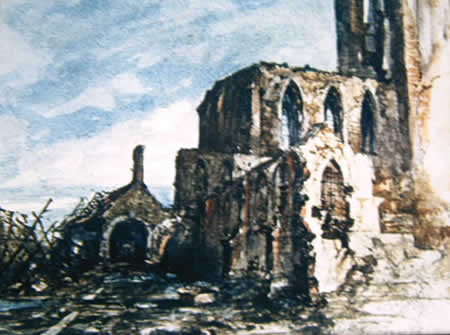
tekening van Hitler
Tekening die Hitler maakte van het kapotgeschoten kerkje van Mesen

Adolf Hitler in Mesen, 1914-1915
De Bethleem farm east cemetry telt 43 graven, waarvan 42 van Australiërs en één van een Britse soldaat, allen gesneuveld in 1917. Dit kerkhof staat bekend als een van de kleinste Gemenebestkerkhoven in de Westhoek. Op de Betlehemhoeve verbleef van december 1914 tot februari 1915 de toen 25-jarige Duitse korporaal Adolf Hitler. Hij maakte toen onder andere een waterverfschilderij van de ruïnes van de St. Niklaaskerk. Een kopie van dit werk bevindt zich in het Geschiedkundig Museum van Mesen.

Bron: mesen.be

summer of love [ 3 ]

de hippiezomer kwam in 1967 niet zomaar uit de lucht vallen…

… want het hing natuurlijk al gewoon in de lucht. Op de laatste track van het Beatlesalbum Revolver uit 1966 Tomorrow Never Knows horen we al duidelijk dat er iets gaande is. Something’s happening. Turn on, tune in and drop out.

Tomorrow Never Knows (1966)
RevolverTomorrow Never Knows
John Lennon wrote the song in January 1966, closely adapted from the book The Psychedelic Experience by Timothy Leary, Richard Alpert and Ralph Metzner, which they based on the Tibetan Book of the Dead with the understanding that the “Ego Death” experienced under the influence of LSD and other psychedelic drugs is essentially similar to the dying process and requires similar guidance. At the time of the song’s release, it was reputed to have been written to facilitate the “letting go” process of psychedelic voyagers. The book The Love You Make, written by Beatles insider Peter Brown, claims that Lennon’s only source of inspiration for the song came from the Tibetan Book of the Dead, which it says he read while tripping on LSD.
 
Bron: en.wikipedia.org
Or play the game existence to the end

Tomorrow Never Knows (1966)

Turn off your mind, relax
and float down stream
It is not dying
It is not dying
 
Lay down all thought
Surrender to the void
It is shining
It is shining
 
That you may see
The meaning of within
It is being
It is being
 
That love is all
And love is everyone
It is knowing
It is knowing
 
That ignorance and hate
May mourn the dead
It is believing
It is believing
 
But listen to the
color of your dreams
It is not living
It is not living
 
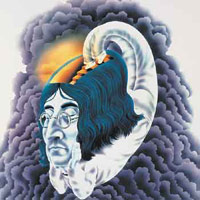
John Lennon by Allan Aldridge
 
Or play the game
existence to the end
Of the beginning
Of the beginning
Of the beginning
Of the beginning
Of the beginning
Of the beginning

De San Francisco Chronicle publiceerde afgelopen maand een serie van vier delen:
The Summer of Love, 40 Years Later

summer of love [ 2 ]

40 jaar geleden was San Francisco het hippiecentrum van de wereld
en de Haight-Ashbury (Hashbury) was ground zero
Haight-Asbury
San Francisco and the Haight gained a reputation as the center of illegal drug culture and rock and roll lifestyles soon after, especially with the use of marijuana and LSD and other hallucinogenic drugs. By 1967, the neighborhood’s fame chiefly rested on the fact that it became the haven for a number of important psychedelic rock performers and groups of the mid-1960s. Acts like Jefferson Airplane, the Grateful Dead and Janis Joplin all lived a short distance from the famous intersection. They not only immortalized the scene in song, but also knew many within the community as friends and family.
 
The fabric of the neighborhood was forever altered in 1967 during the Summer of Love, much to the dismay of many residents. Psychedelic rock music was entering the mainstream, and received more and more commercial radio airplay. The song “San Francisco”
Be Sure to Wear Flowers
in Your Hair

became a hit single. The Monterey Pop Festival in June further cemented the status of psychedelic music as a part of mainstream culture and elevated local Haight bands such as Big Brother and the Holding Company and Jefferson Airplane to national stardom. A July 7th Time Magazine cover story on “The Hippies: Philosophy of a Subculture”, an August CBS News television report on “The Hippie Temptation”[1] and other major media interest in the hippie subculture exposed the Haight-Ashbury district to enormous national attention and popularized the movement across the country and around the world. Thousands of disaffected youth migrated to the Haight-Ashbury district, including many runaway teenagers, irrevocably altering the social structure of the neighborhood. The Diggers, a local “community anarchist” group famous for its street theatre and for providing free food to residents every day, held a “Death of the Hippie” parade as the new residents poured in.
 
Bron: en.wikipedia.org

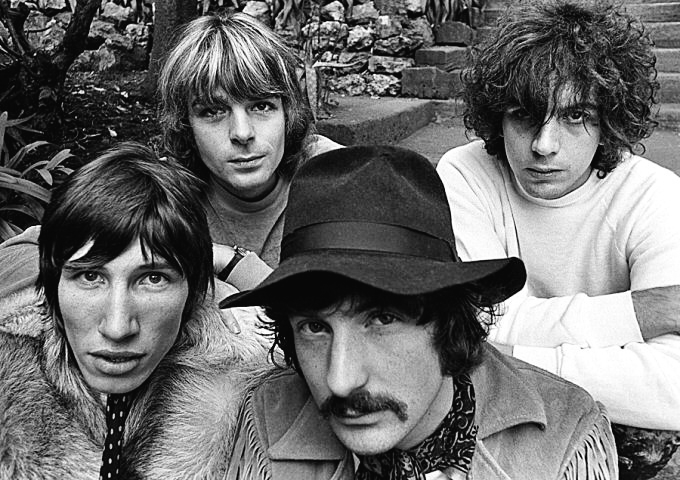
Pink Floyd 1967
een piepjonge Pink Floyd in 1967
een van de eerste psychedelische bands
met linksboven Syd Barrett
( foto: wolfgangsvault )

De San Francisco Chronicle publiceerde afgelopen maand een serie van vier delen:
The Summer of Love, 40 Years Later